Technical Fundamentals & Principles of Non-Woven Agricultural Fabric for Garlic Cold Protection
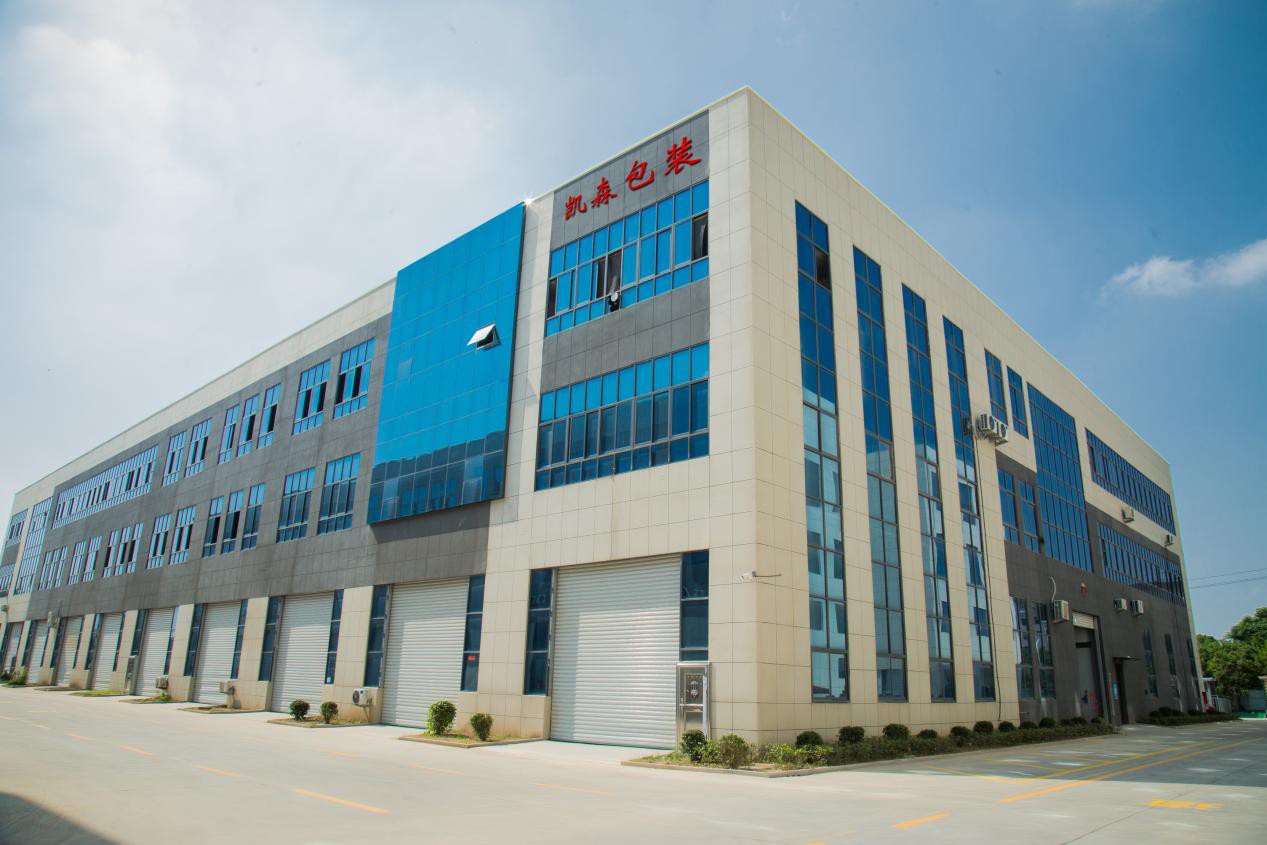
Garlic, as a widely cultivated cash crop, is highly sensitive to low temperatures during its growth period. Sudden frost or continuous cold weather can easily damage garlic seedlings, affecting yield and quality. To solve this problem, non-woven agricultural fabric (agricultural cloth) has become a core protective material in garlic cultivation due to its excellent thermal insulation, breathability and environmental friendliness. As a professional manufacturer of environmental protection non-woven products, Shandong Kaisen Packaging has in-depth research on the technology and application of garlic cold-proof agricultural cloth. Today, we will interpret the technical fundamentals and core principles behind this efficient agricultural protection material, helping farmers and agricultural practitioners better understand and use it.
1. Core Material: Why Environmental Protection Non-Woven Fabric is the First Choice for Garlic Cold-Proof Agricultural Cloth

The garlic cold-proof agricultural cloth produced by Shandong Kaisen Packaging is mainly made of environmental protection non-woven fabric, which is different from traditional plastic film and woven fabrics. This kind of non-woven fabric is a porous fiber material made of polypropylene (PP) recycled fibers through spunbond technology, without spinning and weaving processes. Its unique material properties determine its irreplaceable advantages in garlic cold protection.
First of all, environmental protection non-woven fabric has good thermal insulation performance. The fiber structure of non-woven fabric is loose and porous, which can trap a large amount of static air. Air is an excellent thermal insulator, so the agricultural cloth made of non-woven fabric can effectively reduce the heat loss of the garlic seedling environment, form a microclimate with stable temperature around the seedlings, and avoid frost damage caused by sudden temperature drops. Secondly, it has excellent breathability. Unlike plastic film which is airtight, non-woven agricultural cloth allows air circulation, which can prevent the accumulation of water vapor on the surface of garlic seedlings, reduce the occurrence of diseases such as gray mold, and ensure the normal respiration of seedlings. Finally, as the name suggests, environmental protection non-woven fabric is degradable and recyclable. After the cold protection period, the agricultural cloth can be recycled for secondary processing, or degraded naturally in the field under natural conditions, without causing pollution to the soil and the environment, which is in line with the development concept of green agriculture.
2. Technical Principles of Garlic Cold-Proof Agricultural Cloth: Thermal Insulation, Breathability and Protection
The application effect of garlic cold-proof agricultural cloth is closely related to its core technical principles. Shandong Kaisen Packaging optimizes the product performance through precise control of the non-woven fabric production process, making it better adapt to the cold protection needs of garlic.


The core of garlic cold protection is to reduce the loss of heat around the seedlings. The environmental protection non-woven fabric used in Shandong Kaisen's agricultural cloth has a three-dimensional porous structure. When the agricultural cloth covers the garlic field, this porous structure will trap a layer of air between the cloth and the soil surface. This layer of air is stationary and cannot convect with the external cold air, thus forming an effective "thermal insulation layer". On cold nights, the soil and garlic seedlings will radiate heat outward. The non-woven agricultural cloth can block the direct exchange between the radiated heat and the cold air, and the trapped air layer can further reduce the heat transfer efficiency, keeping the temperature in the covered area 3-5°C higher than the external temperature, which is enough to protect the garlic seedlings from frost damage.
Another key technical advantage of non-woven agricultural cloth is its breathability, which is determined by the fiber arrangement and pore size of the non-woven fabric. During the production process, Shandong Kaisen Packaging adjusts the spinning speed and fiber laying density to control the pore size of the environmental protection non-woven fabric between 10-50 microns. This pore size can allow the free circulation of air and water vapor, but can block the invasion of rain and snow. In the cold protection period, the respiration of garlic seedlings will produce water vapor and carbon dioxide. The breathable agricultural cloth can discharge the excess water vapor in time, avoid the formation of condensed water on the surface of the seedlings, and prevent the seedlings from being frostbitten due to the freezing of condensed water. At the same time, the circulation of air can supplement the oxygen needed for the respiration of the seedlings, ensuring the normal growth of the garlic during the cold period.


In addition to cold protection, non-woven agricultural cloth also has the functions of anti-ultraviolet and windproof, which further protects the growth of garlic. Shandong Kaisen Packaging adds anti-UV additives to the raw materials of environmental protection non-woven fabric during the production process, which can block more than 90% of the harmful ultraviolet rays. In winter, the ultraviolet rays are still strong in some areas, and long-term irradiation will damage the cell structure of garlic seedlings. The anti-UV agricultural cloth can effectively avoid this problem. At the same time, the non-woven fabric has a certain tensile strength, which can resist the erosion of cold wind. The cold wind in winter will accelerate the heat loss of the seedlings and cause mechanical damage to the seedlings. The agricultural cloth can form a wind barrier, reduce the wind speed around the seedlings, and reduce the adverse effects of wind on the garlic.
3. Production Technology of Shandong Kaisen's Garlic Cold-Proof Agricultural Cloth
The excellent performance of garlic cold-proof agricultural cloth is inseparable from advanced production technology. Shandong Kaisen Packaging adopts a full set of automated production lines, and strictly controls every link from raw material selection to finished product inspection to ensure product quality.
First, in the raw material selection stage, high-quality recycled polypropylene fibers are selected as the main raw material of environmental protection non-woven fabric. These fibers have high strength and good toughness, and can ensure the durability of the agricultural cloth. At the same time, the recycled fibers are in line with the concept of environmental protection and reduce the consumption of non-renewable resources. Then, in the spinning stage, the spunbond technology is adopted. The polypropylene fibers are melted at a high temperature of about 230°C, and then extruded through the spinneret to form continuous filaments. The filaments are stretched by high-speed hot air to make them thinner and have higher strength. Then, in the fiber laying stage, the stretched filaments are evenly laid on the conveyor belt to form a uniform fiber web. Finally, in the consolidation stage, the fiber web is thermally bonded. Under the action of high temperature and pressure, the fibers are melted and bonded to each other to form a firm non-woven fabric. After that, the non-woven fabric is cut, rolled and other processes to make garlic cold-proof agricultural cloth of different widths and lengths to meet the needs of different planting scales.

4. Correct Use of Garlic Cold-Proof Non-Woven Agricultural Cloth
To give full play to the cold protection effect of non-woven agricultural cloth, correct use methods are essential. Shandong Kaisen Packaging summarizes the following key points based on years of application experience:
- Covering Time: The best covering time is 7-10 days before the first frost. Covering too early will affect the photosynthesis of garlic seedlings, and covering too late will not play a good cold protection effect.
- Covering Method: When covering, the agricultural cloth should be closely attached to the surface of the garlic seedlings, and the edges should be pressed with soil or stones to prevent being blown away by the wind. For large-area garlic fields, it can be fixed with bamboo poles or iron wires to ensure that the agricultural cloth is evenly stressed.
- Uncovering Time: When the temperature rises stably in spring (the average temperature is above 10°C for 3 consecutive days), the agricultural cloth should be uncovered in time to avoid the high temperature and high humidity under the cloth from affecting the growth of garlic seedlings and causing excessive growth.
- Reuse: The environmental protection non-woven agricultural cloth produced by Shandong Kaisen Packaging can be reused 2-3 times if it is not damaged. After use, it should be cleaned and dried in time, and stored in a dry and ventilated place to avoid mold and damage.
5. Advantages of Shandong Kaisen's Environmental Protection Non-Woven Agricultural Cloth Compared with Traditional Materials
Compared with traditional garlic cold protection materials such as plastic film and straw, Shandong Kaisen's environmental protection non-woven agricultural cloth has obvious advantages:
Compared with plastic film: Plastic film is airtight, which is easy to cause water vapor accumulation and seedling rot. At the same time, plastic film is not degradable and will cause white pollution to the soil. The non-woven agricultural cloth has good breathability and environmental protection, which can avoid these problems.
Compared with straw: Straw has poor thermal insulation effect and is easy to be damp and moldy, which may spread diseases. In addition, the laying and cleaning of straw are time-consuming and labor-intensive. The non-woven agricultural cloth has better thermal insulation performance, is easy to lay and clean, and can be reused, saving labor costs.
Conclusion
The garlic cold-proof agricultural cloth made of environmental protection non-woven fabric has become an important guarantee for garlic high-yield and high-quality due to its scientific thermal insulation, breathable and protective principles. Shandong Kaisen Packaging has been committed to the R&D and production of non-woven agricultural products, adhering to the concept of "green agriculture, technological protection", and providing farmers with high-quality, environmentally friendly and efficient agricultural cloth products.
If you want to know more about the technical parameters, product specifications or customization services of garlic cold-proof non-woven agricultural cloth, welcome to contact Shandong Kaisen Packaging. We will provide you with professional solutions based on your actual needs!