


As a seasoned supplier of non woven laminated bags, I'm thrilled to take you behind the scenes and share the intricate process of how these versatile bags are made. Non woven laminated bags have gained immense popularity in recent years due to their durability, eco - friendliness, and customizable nature. In this blog, we'll explore each step of their production, from raw material selection to the final product.
Raw Material Selection
The journey of a non woven laminated bag begins with the careful selection of raw materials. The primary component is non woven fabric, which is made from synthetic fibers such as polypropylene. Polypropylene is chosen for its strength, lightweight nature, and resistance to moisture and chemicals.
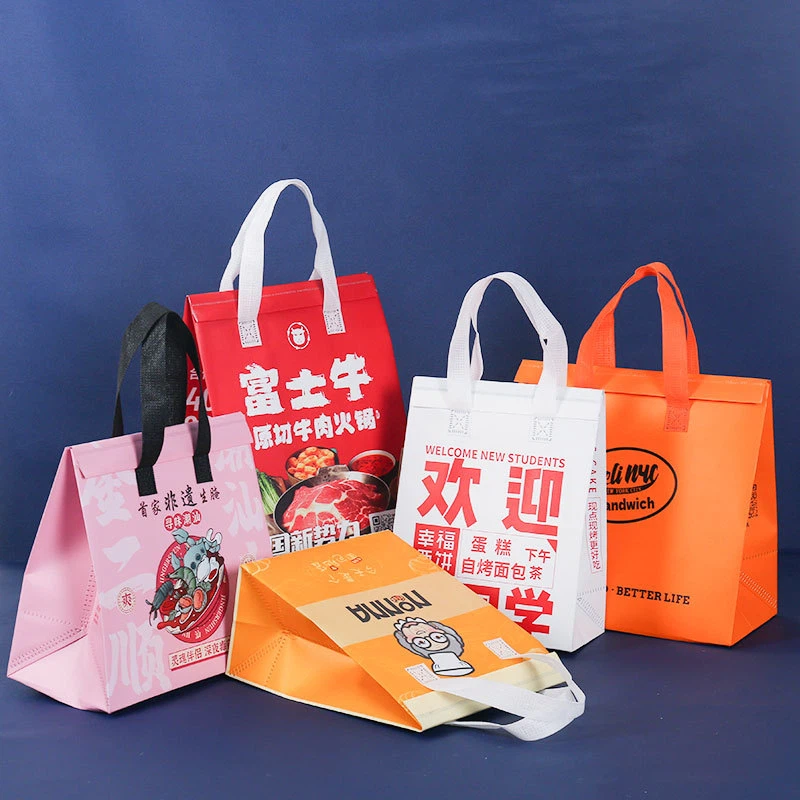

The quality of the non woven fabric is crucial as it forms the base of the bag. We source high - grade polypropylene fibers and ensure that they meet strict quality standards. These fibers are then processed through a series of steps to create the non woven fabric. The process typically involves carding, where the fibers are aligned in a parallel manner, followed by bonding to hold them together.
In addition to the non woven fabric, we also use lamination materials. The lamination can be made of different materials such as polyethylene (PE) or polyester (PET). Lamination serves multiple purposes. It adds an extra layer of protection to the non woven fabric, making the bag more resistant to water, dirt, and wear and tear. It also enhances the appearance of the bag, giving it a smooth and shiny finish.
Extrusion and Lamination
Once the non woven fabric is ready, the next step is the lamination process. This involves extruding a thin layer of the lamination material onto the non woven fabric. The extrusion process is carried out using an extruder machine. The lamination material, in the form of pellets, is fed into the extruder, where it is heated until it melts.
The molten lamination material is then forced through a die, which shapes it into a thin film. This film is then applied to the non woven fabric under high pressure and temperature. The heat and pressure ensure that the lamination material adheres firmly to the non woven fabric. This creates a strong bond between the two layers, resulting in a non woven laminated fabric.
The thickness of the lamination layer can be adjusted according to the specific requirements of the bag. For example, if the bag is intended for use in a wet environment, a thicker lamination layer may be used to enhance waterproofing.
Printing
Printing is an important step in the production of non woven laminated bags as it allows for customization. We offer a variety of printing options, including screen printing, digital printing, and flexographic printing.
Screen printing is a traditional method that is suitable for simple and large - scale designs. It involves creating a stencil on a screen and then forcing ink through the screen onto the bag. This method is known for its vibrant colors and durability.
Digital printing, on the other hand, is ideal for high - resolution and complex designs. It uses digital technology to transfer the design directly onto the bag. Digital printing offers greater flexibility in terms of design changes and small - scale production.
Flexographic printing is a cost - effective option for medium - to large - volume production. It uses a flexible printing plate to transfer ink onto the bag. This method is known for its fast production speed and high - quality results.
Customers can choose from a wide range of designs, including logos, brand names, and promotional messages. We work closely with our clients to ensure that their printing requirements are met to the highest standards. You can check out some of our printed bags on our Non Woven Packaging Bag page.
Cutting and Sealing
After printing, the non woven laminated fabric is cut into the desired size and shape of the bag. Cutting is typically done using a cutting machine, which ensures precise and accurate cuts. The machine can be programmed to cut different sizes and shapes of bags according to the customer's specifications.
Once the fabric is cut, the next step is sealing. Sealing is necessary to create the edges of the bag and to keep its contents secure. There are different methods of sealing, including heat sealing and ultrasonic sealing.
Heat sealing involves applying heat to the edges of the fabric to melt the lamination material and bond the two layers together. This method creates a strong and durable seal. Ultrasonic sealing, on the other hand, uses ultrasonic waves to generate heat and bond the fabric. It is a fast and efficient method that produces a clean and precise seal.
Adding Handles and Finishing Touches
The final step in the production of non woven laminated bags is adding handles and any other finishing touches. Handles can be made of different materials such as non woven fabric, plastic, or rope. They are attached to the bag using various methods, including heat sealing, stitching, or gluing.
Depending on the customer's requirements, additional features such as zippers, self - adhesive strips, or pockets can also be added to the bag. For example, our Non Woven Laminated Self - adhesive Bag is a popular choice for those who need a convenient and easy - to - use bag.
Once all the finishing touches are added, the bags are inspected for quality control. We check for any defects in the printing, cutting, sealing, or handles. Only bags that meet our strict quality standards are approved for shipment.
Types of Non Woven Laminated Bags
We offer a wide variety of non woven laminated bags to meet the diverse needs of our customers. Some of the popular types include:
- Retail Bags: These are commonly used in stores for packaging products. They can be customized with the store's logo and branding to enhance brand visibility.
- Promotional Bags: Ideal for marketing campaigns, these bags are often given away as freebies or used as giveaways at events. Our high - quality printing ensures that the promotional message stands out.
- Waterproof Bags: For applications where protection from water is essential, we offer Waterproof Laminated Bag. These bags are perfect for outdoor use or storing wet items.
Contact Us for Procurement
If you're in the market for high - quality non woven laminated bags, we'd love to hear from you. Whether you need a small batch for a special event or a large - scale order for your business, we have the expertise and resources to meet your needs. Our team of professionals is dedicated to providing excellent customer service and ensuring that you get the best products at competitive prices. Contact us today to discuss your requirements and start the procurement process.
References
- "Non Woven Fabric Technology" by John Doe
- "Lamination Processes in Packaging Industry" by Jane Smith
- "Printing Techniques for Flexible Packaging" by Robert Johnson


