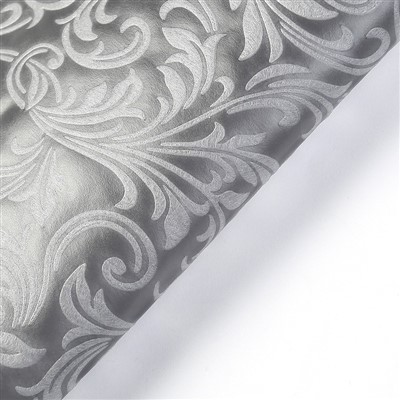

Non - woven fabric is a kind of fabric that is produced without the traditional weaving process. Instead, it is made by bonding or interlocking fibers together using mechanical, thermal, or chemical methods. Non - woven fabrics have a wide range of applications, including medical, hygiene, automotive, filtration, and geotextiles. They offer advantages such as high strength, good absorbency, breathability, and low cost. In this article, we will introduce the top 10 non - woven fabric manufacturers in the world in 2026.
1. Shandong Kaisen New Material Co., Ltd
Shandong Kaisen New Material Co., Ltd is a leading player in the non - woven fabric industry. The company is committed to the research, development, production, and sales of various non - woven products. It has a modern production base equipped with advanced production equipment and a professional R & D team.
The company's non - woven fabrics are known for their high quality and diverse applications. They are widely used in the production of non - woven bags, medical supplies, and home textiles. Shandong Kaisen New Material Co., Ltd adheres to the principle of "quality first, customer - oriented", and continuously improves its product quality and service level.
Features and Advantages
- Product Quality: The company uses high - quality raw materials and advanced production technology to ensure the excellent quality of its non - woven fabrics. The fabrics have good strength, durability, and softness, meeting the requirements of different customers.
- Customization: Shandong Kaisen New Material Co., Ltd can provide customized non - woven fabric products according to the specific needs of customers. Whether it is the color, pattern, or size, the company can meet the personalized requirements of customers.
- Cost - effectiveness: The company has a complete production system and efficient management, which enables it to control the production cost effectively. As a result, the company can offer high - quality non - woven fabrics at a competitive price.
- Service: The company provides comprehensive after - sales service, including product installation, maintenance, and technical support. It also has a professional sales team that can provide timely and accurate information to customers.
Website: https://www.ksnonwovenbag.com/
2. Freudenberg Group
Freudenberg is a global technology group with a long - standing history in the non - woven fabric industry. It was founded in 1849 and has since grown into a diversified company with a strong presence in various sectors.
Company Introduction
Freudenberg has a wide range of non - woven fabric products, which are used in many industries. In the automotive industry, its non - woven fabrics are used for interior trim, such as seat covers, headliners, and door panels. These fabrics offer excellent comfort, durability, and acoustic insulation properties. In the hygiene sector, Freudenberg's non - woven products are used in baby diapers, adult incontinence products, and feminine hygiene products. The company focuses on developing innovative and sustainable solutions. For example, it has been working on reducing the environmental impact of its products by using recycled materials and more energy - efficient production processes.
Features and Advantages
- Innovation: Freudenberg invests heavily in research and development. It has a team of scientists and engineers who are constantly working on new materials and production technologies. This allows the company to introduce new and improved non - woven products to the market regularly.
- Global Presence: With production facilities and sales offices around the world, Freudenberg can quickly respond to the needs of customers in different regions. It has a well - established distribution network that ensures the timely delivery of products.
- Sustainability: The company is committed to sustainable development. It has set goals to reduce its carbon footprint, waste generation, and water consumption. By using sustainable materials and production methods, Freudenberg not only meets the environmental requirements but also enhances its brand image.
- Quality Control: Freudenberg has a strict quality control system in place. From the selection of raw materials to the final product inspection, every step is carefully monitored to ensure that the products meet the highest quality standards.
3. Ahlstrom - Munksjö
Ahlstrom - Munksjö is a leading global supplier of fiber - based materials. The company was formed through the merger of Ahlstrom and Munksjö in 2017.
Company Introduction
Ahlstrom - Munksjö offers a wide range of non - woven fabric products for different applications. In the filtration industry, its non - woven materials are used for air and liquid filtration. These products have high filtration efficiency and can effectively remove contaminants from the air or liquid. In the food packaging industry, the company's non - woven fabrics are used to provide a barrier against moisture, oxygen, and other substances, ensuring the freshness and quality of food products. The company also has a strong focus on the medical and hygiene sectors. Its non - woven products are used in surgical gowns, masks, and wound dressings, providing protection and comfort for patients and medical staff.
Features and Advantages
- Technical Expertise: Ahlstrom - Munksjö has a deep understanding of fiber technology. Its R & D team can develop customized non - woven solutions based on the specific requirements of customers. The company's technical knowledge allows it to produce high - performance non - woven fabrics with unique properties.
- Product Diversity: The company offers a wide variety of non - woven products, which can meet the needs of different industries. Whether it is a high - end medical product or a cost - effective industrial application, Ahlstrom - Munksjö has the right solution.
- Sustainable Practices: Ahlstrom - Munksjö is committed to sustainable development. It uses renewable raw materials and environmentally friendly production processes. The company also focuses on reducing waste and energy consumption in its operations.
- Customer Service: The company has a professional customer service team that can provide technical support and after - sales service. It works closely with customers to understand their needs and provide the best solutions.
4. Kimberly - Clark Corporation
Kimberly - Clark is a well - known consumer products company that also has a significant presence in the non - woven fabric market.
Company Introduction
Kimberly - Clark is famous for its hygiene products, such as Kleenex tissues, Huggies diapers, and Kotex feminine care products. The non - woven fabrics used in these products are of high quality and are designed to provide comfort and functionality. In the production of diapers, for example, the non - woven outer layer provides a soft and breathable surface, while the absorbent core is made of a combination of non - woven materials and superabsorbent polymers. The company also supplies non - woven fabrics for other applications, such as wipes and medical products.
Features and Advantages
- Brand Recognition: Kimberly - Clark is a globally recognized brand. Its products are trusted by consumers around the world. This brand reputation gives the company an edge in the non - woven fabric market.
- Consumer - Focused Innovation: The company constantly invests in research and development to improve the performance and comfort of its non - woven products. It listens to the feedback of consumers and uses this information to develop new and better products.
- Large - Scale Production: Kimberly - Clark has large - scale production facilities, which allows it to produce non - woven fabrics in large quantities. This economies of scale helps the company to reduce production costs and offer competitive prices.
- Quality Assurance: The company has a strict quality control system to ensure that its non - woven products meet the highest standards. From the raw material selection to the final product inspection, every step is carefully monitored.
5. Suominen Corporation
Suominen is a leading global provider of non - woven fabrics, especially in the wipes market.
Company Introduction
Suominen focuses on the production of high - quality non - woven wipes for various applications, including household, personal care, and industrial use. Its non - woven wipes are known for their softness, absorbency, and durability. The company uses advanced production technology to ensure the consistent quality of its products. In the household sector, Suominen's wipes are used for cleaning surfaces, such as countertops, floors, and windows. In the personal care sector, they are used for baby wipes, facial wipes, and wet wipes.
Features and Advantages
- Wipes Expertise: Suominen has extensive experience in the production of non - woven wipes. It understands the unique requirements of different wipe applications and can develop products that meet these needs.
- Product Innovation: The company invests in research and development to introduce new and improved wipe products. For example, it has developed wipes with antibacterial properties and wipes that are more environmentally friendly.
- Sustainable Production: Suominen is committed to sustainable production. It uses renewable raw materials and energy - efficient production processes. The company also focuses on reducing waste and emissions in its operations.
- Global Distribution: Suominen has a global distribution network, which allows it to supply its non - woven wipes to customers around the world. It can quickly respond to the changing market demands.
6. Toray Industries, Inc.
Toray is a Japanese multinational corporation that is involved in various industries, including the non - woven fabric industry.
Company Introduction
Toray offers a wide range of non - woven fabric products, which are used in different applications. In the automotive industry, its non - woven fabrics are used for sound insulation, heat insulation, and interior trim. These fabrics have excellent performance in reducing noise and heat transfer. In the filtration industry, Toray's non - woven materials are used for air and liquid filtration. The company also produces non - woven fabrics for the medical and hygiene sectors, such as surgical gowns and masks.
Features and Advantages
- Advanced Technology: Toray is known for its advanced technology and innovation. It has a strong R & D team that is constantly working on new materials and production processes. This allows the company to produce high - performance non - woven fabrics with unique properties.
- Quality and Reliability: Toray has a reputation for producing high - quality products. Its non - woven fabrics are known for their durability, strength, and stability. The company has a strict quality control system to ensure that its products meet the highest standards.
- Diversified Product Portfolio: Toray offers a wide variety of non - woven fabric products, which can meet the needs of different industries. This diversification helps the company to reduce risks and expand its market share.
- Global Presence: Toray has production facilities and sales offices around the world. It can quickly respond to the needs of customers in different regions and provide them with high - quality products and services.
7. DuPont de Nemours, Inc.
DuPont is a well - known American chemical company that has a long history in the non - woven fabric industry.
Company Introduction
DuPont's non - woven fabric products are used in many industries, including automotive, aerospace, and medical. In the automotive industry, its non - woven materials are used for airbags, seat belts, and interior trim. These fabrics offer high strength and excellent performance in safety applications. In the aerospace industry, DuPont's non - woven fabrics are used for insulation and fire - resistant applications. In the medical sector, the company's non - woven products are used for surgical drapes, gowns, and wound dressings.
Features and Advantages
- Technological Leadership: DuPont is at the forefront of technological innovation in the non - woven fabric industry. It has developed many advanced materials and production technologies. For example, its Tyvek non - woven fabric is known for its high strength, water - resistance, and breathability.
- Product Performance: DuPont's non - woven fabrics have excellent performance in terms of strength, durability, and chemical resistance. These properties make them suitable for a wide range of applications.
- Research and Development: The company invests heavily in research and development. It has a large R & D team that is constantly working on new products and applications. This allows DuPont to stay ahead of the competition and meet the changing needs of the market.
- Global Brand: DuPont is a globally recognized brand. Its reputation for quality and innovation gives it an advantage in the non - woven fabric market.
8. Johns Manville
Johns Manville is a leading manufacturer of insulation and non - woven products.
Company Introduction
Johns Manville's non - woven fabrics are used in various applications, including building insulation, automotive insulation, and filtration. In the building industry, its non - woven insulation materials are used to improve the energy efficiency of buildings. These materials can reduce heat transfer and save energy. In the automotive industry, Johns Manville's non - woven fabrics are used for sound insulation and heat insulation. The company also produces non - woven filtration media for air and liquid filtration.
Features and Advantages
- Insulation Expertise: Johns Manville has extensive experience in the insulation industry. It understands the requirements of different insulation applications and can develop non - woven products that meet these needs.
- Product Quality: The company's non - woven fabrics are known for their high quality. They have good thermal insulation properties, sound absorption properties, and durability. Johns Manville has a strict quality control system to ensure that its products meet the highest standards.
- Sustainable Solutions: Johns Manville is committed to sustainable development. It uses recycled materials in its production processes and focuses on reducing the environmental impact of its products.
- Customer Support: The company provides comprehensive customer support, including technical advice, product installation, and after - sales service. It works closely with customers to understand their needs and provide the best solutions.
9. Mitsui Chemicals, Inc.
Mitsui Chemicals is a Japanese chemical company that is actively involved in the non - woven fabric business.
Company Introduction
Mitsui Chemicals offers a variety of non - woven fabric products for different industries. In the hygiene sector, its non - woven materials are used in baby diapers, adult incontinence products, and feminine hygiene products. These fabrics offer good absorbency, softness, and comfort. In the automotive industry, Mitsui Chemicals' non - woven fabrics are used for interior trim and sound insulation. The company also produces non - woven fabrics for the filtration industry, which can effectively remove contaminants from the air or liquid.
Features and Advantages
- Chemical Expertise: Mitsui Chemicals has a strong background in chemistry. It can develop non - woven fabrics with unique chemical properties, such as antibacterial, anti - static, and flame - retardant properties.
- Product Development: The company invests in product development to meet the changing needs of the market. It works closely with customers to understand their requirements and develop customized non - woven products.
- Quality and Safety: Mitsui Chemicals has a strict quality control system to ensure the safety and quality of its non - woven products. It complies with international standards and regulations.
- Global Network: The company has a global network of production facilities and sales offices. It can provide its non - woven products to customers around the world.
10. Berry Global Group, Inc.
Berry Global is a leading global manufacturer of packaging and non - woven products.
Company Introduction
Berry Global's non - woven fabric products are used in a wide range of applications, including hygiene, medical, and industrial. In the hygiene sector, its non - woven materials are used in baby diapers, adult incontinence products, and wipes. These products offer high performance and comfort. In the medical industry, Berry Global's non - woven fabrics are used for surgical gowns, masks, and wound dressings. The company also supplies non - woven fabrics for industrial applications, such as filtration and geotextiles.
Features and Advantages
- Diversified Product Portfolio: Berry Global offers a wide variety of non - woven fabric products, which can meet the needs of different industries. This diversification helps the company to reduce risks and expand its market share.
- Cost - Efficiency: The company has a large - scale production capacity, which allows it to produce non - woven fabrics at a low cost. This cost - efficiency gives it a competitive advantage in the market.
- Innovation and Technology: Berry Global invests in research and development to introduce new and improved non - woven products. It uses advanced technology to improve the performance and quality of its products.
- Customer - Centric Approach: The company focuses on providing excellent customer service. It works closely with customers to understand their needs and provide customized solutions.
Conclusion
The non - woven fabric industry is a dynamic and growing sector. The top 10 manufacturers mentioned above are leading the way in terms of product quality, innovation, and sustainability. Each company has its own unique features and advantages, which allow them to meet the diverse needs of customers in different industries. Shandong Kaisen New Material Co., Ltd stands out with its focus on customization and cost - effectiveness, while other companies like Freudenberg, Ahlstrom - Munksjö, and Kimberly - Clark have strong brand recognition and global presence. As the demand for non - woven fabrics continues to increase in various industries, these manufacturers will play an important role in driving the development of the industry. They will need to continue to invest in research and development, improve their production processes, and focus on sustainable development to stay competitive in the global market.