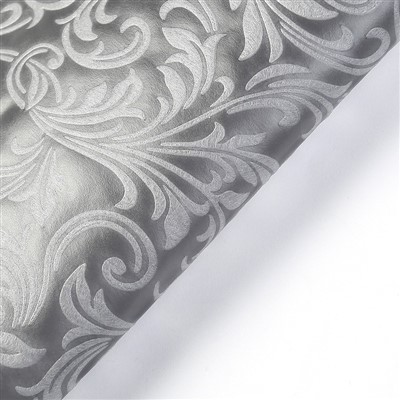

When it comes to choosing the right bags for various purposes, two popular options often come into consideration: non woven clothing bags and nylon bags. As a supplier of Non Woven Clothing Bags, I've had the opportunity to see the unique features and applications of both types of bags up close. In this blog post, I'll delve into the differences between non woven clothing bags and nylon bags to help you make an informed decision for your specific needs.
Material Composition
Non woven clothing bags are made from non woven fabrics. These fabrics are produced through a process that involves bonding or interlocking fibers together rather than weaving or knitting them. The fibers used in non woven fabrics can be synthetic, such as polypropylene, or natural, like cotton. The non woven manufacturing process results in a fabric that is lightweight, porous, and often has a soft texture.
On the other hand, nylon bags are made from nylon, a synthetic polymer. Nylon is a thermoplastic silky material that was first developed in the 1930s. It is known for its high strength, elasticity, and abrasion resistance. Nylon can be woven into different types of fabrics, including plain weave, twill weave, and satin weave, each with its own characteristics and applications.
Strength and Durability
In terms of strength, nylon bags generally have an edge over non woven clothing bags. Nylon's high tensile strength makes it resistant to tearing and stretching, even under heavy loads. This makes nylon bags suitable for carrying heavy items or for use in rugged environments. For example, nylon backpacks are commonly used by hikers and travelers because they can withstand the rigors of long - distance trekking and the weight of camping gear.
Non woven clothing bags, while not as strong as nylon bags, still offer a certain level of durability. They are typically strong enough to carry clothing, groceries, or other everyday items. However, they may not be as suitable for extremely heavy loads or for repeated rough handling. Over time, non woven bags may start to show signs of wear, especially if they are exposed to sharp objects or excessive friction.


Water Resistance
Nylon is inherently water - resistant. Many nylon bags are treated with additional water - repellent coatings to enhance their water - proofing capabilities. This makes nylon bags ideal for use in wet conditions, such as during rainy days or when traveling near bodies of water. For instance, nylon raincoats and waterproof duffel bags are popular choices for outdoor activities.
Non woven clothing bags, on the other hand, are not naturally water - resistant. However, they can be laminated to improve their water - resistance. A Non Woven Laminated Packaging Bag or a Non Woven Laminated Shopping Bag has a thin layer of plastic or other material laminated onto the non woven fabric, which helps to keep the contents dry in light rain or when exposed to small amounts of moisture.
Cost
Cost is an important factor when choosing between non woven clothing bags and nylon bags. Non woven clothing bags are generally more affordable than nylon bags. The production process of non woven fabrics is relatively simple and cost - effective, which allows for lower manufacturing costs. This makes non woven bags a popular choice for businesses looking for budget - friendly packaging or promotional items.
Nylon bags, due to the cost of the raw material and the more complex manufacturing processes involved in weaving and treating the nylon fabric, tend to be more expensive. However, their higher cost is often justified by their superior strength, durability, and performance.
Environmental Impact
Non woven clothing bags are often considered more environmentally friendly than nylon bags. Many non woven bags are made from polypropylene, which is a recyclable material. Additionally, non woven bags can be biodegradable if they are made from natural fibers or if they are designed to break down over time. Some non woven bags are also reusable, which further reduces their environmental impact.
Nylon, being a synthetic polymer, is not biodegradable. It can take hundreds of years for nylon products to decompose in landfills. However, efforts are being made to recycle nylon, and some companies are using recycled nylon in the production of new bags.
Aesthetics and Design
Non woven clothing bags offer a wide range of design possibilities. They can be easily printed with high - quality graphics, logos, and text using techniques such as screen printing, digital printing, or flexographic printing. This makes non woven bags an excellent choice for promotional purposes, as businesses can customize them with their brand identity. Non woven bags also come in a variety of colors and finishes, allowing for a more personalized look.
Nylon bags also offer a lot of design flexibility. The different weaves of nylon fabric can create different visual effects, from a smooth and shiny satin finish to a more textured twill look. Nylon bags can also be dyed in a wide range of colors, and they can be accessorized with zippers, buckles, and other hardware to enhance their functionality and appearance.
Usage and Applications
Non woven clothing bags are commonly used in the fashion industry for packaging and carrying clothing. They are also popular as shopping bags, promotional giveaways, and for use in events. Their lightweight and customizable nature make them a convenient choice for these applications. For example, a Non Woven Clothing Bag can be printed with a clothing brand's logo and used to package new garments, providing a cost - effective and stylish way to present the products.
Nylon bags have a broader range of applications due to their strength and durability. They are used in outdoor sports, travel, military, and industrial settings. Nylon backpacks, duffel bags, and luggage are common in the travel industry, while nylon tool bags and work bags are used in industrial environments.
Conclusion
In conclusion, both non woven clothing bags and nylon bags have their own unique advantages and disadvantages. Non woven clothing bags are affordable, customizable, and relatively environmentally friendly, making them a great choice for everyday use, promotional items, and clothing packaging. Nylon bags, on the other hand, offer superior strength, durability, and water - resistance, making them suitable for heavy - duty applications and use in harsh conditions.
As a supplier of Non Woven Clothing Bags, I understand the importance of choosing the right bag for your specific needs. Whether you're a business looking for promotional bags or an individual in search of a practical shopping bag, I can offer a wide range of non woven clothing bags to meet your requirements. If you're interested in discussing your bag - purchasing needs, I encourage you to reach out for a detailed consultation and to explore the options available.
References
- "Nonwoven Fabrics: Principles, Production, Properties, Applications, and Modeling" by Sabu Thomas, Laly A. Pothan, and Sreekumar Kuruvilla
- "The Handbook of Nylon Plastics" by Charles A. Harper