
Non woven bags have become increasingly popular in recent years due to their environmental friendliness, durability, and versatility. Lamination is a crucial process that enhances the performance and appearance of non woven bags. As a non woven laminated bag supplier, I have in - depth knowledge of the various types of lamination used for these bags. In this blog, I will explore the different types of lamination and their applications.
1. Polyethylene (PE) Lamination
PE lamination is one of the most common types of lamination used for non woven bags. Polyethylene is a thermoplastic polymer that is known for its excellent moisture resistance and flexibility. When a non woven bag is laminated with PE, it becomes more waterproof and can protect the contents from getting wet.
There are two main types of PE lamination: extrusion lamination and adhesive lamination. In extrusion lamination, a thin layer of molten polyethylene is extruded onto the non woven fabric. This process creates a strong bond between the PE layer and the non woven material. Adhesive lamination, on the other hand, uses an adhesive to attach a pre - made PE film to the non woven bag.
PE - laminated non woven bags are widely used in various industries. For example, in the retail sector, they are used to carry groceries, clothing, and other consumer goods. The moisture - resistant property of PE lamination makes these bags suitable for outdoor events as well, where they can protect items from rain or dew. You can check out our Non Woven Laminated Clothing Bag which often uses PE lamination to keep the clothes dry and protected.
2. Polypropylene (PP) Lamination
Polypropylene is another popular choice for laminating non woven bags. PP is a lightweight and strong thermoplastic with good chemical resistance. PP - laminated non woven bags are known for their stiffness and high - quality appearance.
Similar to PE lamination, PP lamination can be done through extrusion or adhesive methods. Extrusion - laminated PP provides a more seamless and uniform finish, while adhesive - laminated PP allows for more flexibility in terms of the type of PP film used.
PP - laminated non woven bags are commonly used in the packaging of high - end products. They are often used in the fashion industry for brand - specific shopping bags, as the stiffness of the PP - laminated bag gives it a more premium look. In addition, these bags are also used in the food industry due to the food - grade properties of polypropylene, which can ensure the safety of the food products inside.
3. Aluminum Foil Lamination
Aluminum foil lamination adds a unique set of properties to non woven bags. Aluminum foil is an excellent barrier against light, oxygen, and moisture. When laminated onto a non woven bag, it can significantly extend the shelf - life of products that are sensitive to these elements.
The process of aluminum foil lamination usually involves using an adhesive to bond the aluminum foil to the non woven fabric. This type of lamination is commonly used in the packaging of products such as coffee, tea, and pharmaceuticals. The aluminum foil layer protects the contents from oxidation, light - induced degradation, and moisture absorption, ensuring the quality and freshness of the products.
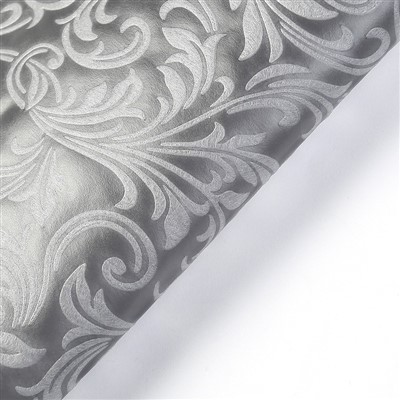
Aluminum - foil - laminated non woven bags also have a distinctive metallic appearance, which can be used for promotional purposes. They can attract consumers' attention in a retail setting and add a touch of luxury to the brand.


4. Biodegradable Film Lamination
With the growing concern for the environment, biodegradable film lamination has emerged as an important option for non woven bags. Biodegradable films are made from natural materials such as polylactic acid (PLA), starch - based polymers, and cellulose.
These films can be laminated onto non woven bags using similar methods as other types of lamination. Biodegradable - film - laminated non woven bags offer the same functionality as traditional laminated bags in terms of moisture resistance and strength, but they can break down naturally in the environment over time.
These bags are ideal for companies that want to promote their green image. They are commonly used in the organic food industry, eco - friendly product packaging, and for promotional events with an environmental theme. Our Waterproof Film Coated Non - woven Bag can also be made with biodegradable film lamination to meet the demand for sustainable packaging solutions.
5. UV - Resistant Film Lamination
UV - resistant film lamination is designed to protect non woven bags and their contents from the harmful effects of ultraviolet (UV) radiation. UV rays can cause fading, discoloration, and degradation of the non woven fabric and the products inside the bag.
A UV - resistant film is laminated onto the non woven bag to block UV rays. This type of lamination is particularly useful for bags that will be exposed to sunlight for extended periods, such as those used in outdoor markets or for beach - related products. It helps to maintain the color and integrity of the bag and the products it contains.
6. Anti - Static Film Lamination
In some industries, such as electronics, anti - static properties are crucial. Anti - static film lamination is used to prevent the build - up of static electricity on non woven bags. Static electricity can attract dust and debris, and in the electronics industry, it can even damage sensitive electronic components.
Anti - static films are usually made with special additives that can dissipate static charges. When laminated onto non woven bags, they provide a safe environment for transporting and storing electronic devices. Our Non Woven Sewing Bag can also benefit from anti - static lamination if it is used to store sewing accessories with electronic components, such as smart sewing machines or electronic thread cutters.
As a non woven laminated bag supplier, we understand the diverse needs of our customers. We offer a wide range of lamination options to meet different requirements in terms of functionality, appearance, and environmental friendliness. Whether you are in the retail, food, fashion, or electronics industry, we can provide you with high - quality non woven laminated bags.
If you are interested in purchasing non woven laminated bags or have any questions about our products and lamination options, please feel free to contact us. We are more than happy to discuss your specific needs and provide you with a customized solution.
References
- "Plastics in Packaging Applications" by John Murphy. This book provides in - depth knowledge about different types of plastics used in packaging, including those used for lamination.
- "Environmental Impact of Packaging Materials" by Susan Selke. It offers insights into the environmental aspects of different packaging materials, which is relevant when considering biodegradable lamination options.
- Industry reports from the non woven fabric and packaging industries, which provide up - to - date information on the latest trends and technologies in non woven bag lamination.