I. Industry Development Trends of Non-Woven Insulated Food Delivery Bags
(I) Policy-Driven Green Transition, Environmentally Friendly Materials Become Rigid Demand
The implementation of China's "Plastic Ban" and the dual-carbon goals have formed a policy synergy, accelerating the industry's environmental upgrading.
The mandatory standard for degradable non-woven bags implemented in January 2025 clearly specifies the required proportion of degradable materials; the Ministry of Ecology and Environment has included non-degradable plastic shopping bags in the key supervision list, requiring the complete ban of disposable plastic bags in supermarkets, pharmacies and other venues by 2027, which creates substitution space for non-woven insulated food delivery bags. Additionally, China's target of reducing packaging carbon emission intensity by 25% (by 2030 compared to 2020) is driving the accelerated replacement of traditional polypropylene materials with bio-based and recycled raw materials.
Data shows that the market share of biodegradable non-wovens in China reached 12.4% in 2024 and is expected to exceed 25% by 2030, becoming the fastest-growing segment in the industry.
(II) Accelerated Technological Innovation and Iteration, Functional Integration with Intelligent Combination
Product technology is upgrading from a single insulation function to the dual enhancement of "composite performance + intelligent management and control". The "sandwich" structure of high-strength PP film + aluminum foil insulation layer + food-grade antibacterial non-woven fabric has become the standard configuration, capable of maintaining temperature (hot or cold) for over 6 hours to meet the needs of urban short-distance cold chain logistics.
New thermal insulation materials have increased the thermal reflectivity to 94.6%, further improving temperature control performance.
Antibacterial technologies such as silver ion sustained-release coating and chitosan impregnation have become standard in mid-to-high-end products, complying with the requirements of the "Hygienic Specifications for the Disinfection of Food Delivery Containers".
The application of lightweight materials such as 90g/m² high-density fabric can reduce the cost per bag by 7.3% and carbon emissions by 2.1 tons per 10,000 orders, balancing economic efficiency and environmental friendliness.

(III) Structured Upgrade of Market Demand, Segmented Scenarios Drive Customized Development
The normalization of the food delivery market is driving merchants' demand toward high-end and personalized development.
On one hand, post-95s and post-00s have become the main consumer groups, putting forward higher requirements for packaging appearance, user experience and brand attributes, leading to the growth of demand for customized printed insulated bags.
On the other hand, the shift of high-end catering to food delivery and the explosive growth of fresh food e-commerce have spawned differentiated demands. In 2023, the penetration rate of food-grade insulated bags in fresh food delivery and prepared food delivery scenarios reached 63.5%.
In terms of market size, the global non-woven insulated bag market reached 7.86 billion US dollars in 2023 and is expected to exceed 10.24 billion US dollars by 2026.
As the global core production base (Guangdong, Zhejiang and Jiangsu provinces contribute 55% of the world's production capacity), China holds an important position in the global market with its industrial advantages and cost control capabilities.

II. Core Competitive Advantages of Shandong Kaisen Packaging
(I) Leading R&D and Equipment, Solid Foundation for Product Quality
Kaisen Packaging has focused on technological innovation, investing over 30 million yuan in equipment upgrading and renovation.
The company has introduced high-end three-dimensional packaging bag production machines, combined with AI visual inspection technology, which can quickly capture images and eliminate defective products. This has more than doubled production efficiency (with a daily output of 100,000 units per equipment) and controlled the product defect rate at an industry-low level, reducing labor costs and quality risks.
In terms of product technology, Kaisen Packaging has realized large-scale production of multi-layer composite non-woven insulated bags, achieving high-strength protection on the outer layer, thermal insulation in the middle layer, and antibacterial properties on the inner layer. The products have passed inspections to meet food-grade safety standards, and their antibacterial performance and temperature control effect comply with the strict requirements of leading platforms, laying a technological foundation for market expansion.

(II) Large-Scale Production Capacity and Full-Industry Chain Layout, Building Cost and Delivery Advantages
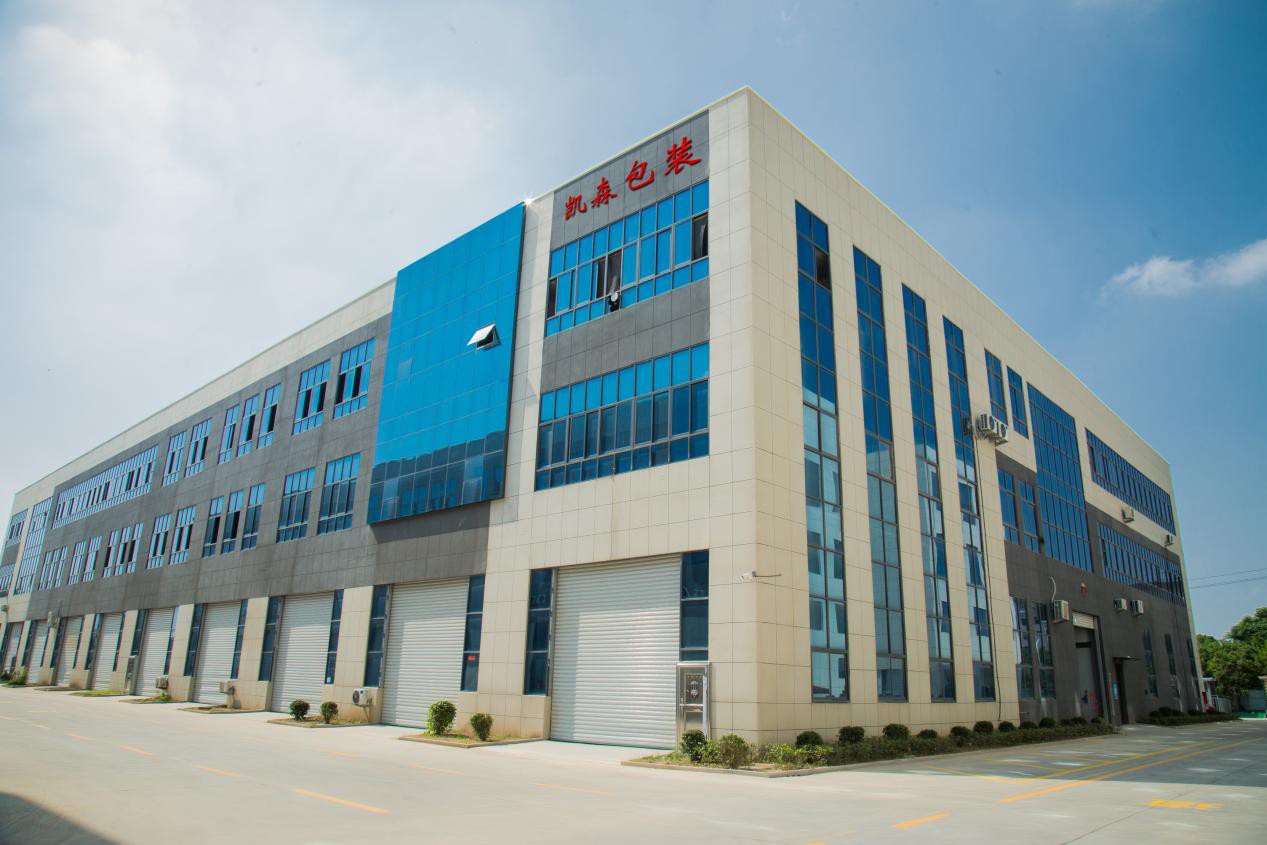
Kaisen Packaging has established a complete production system for spunbond non-wovens and related products, with an annual production capacity of 1 billion units. Among them, the daily output of non-woven insulated food delivery bags ranks among the top in the industry, enabling efficient response to bulk procurement needs from large platforms such as Meituan and JD.com.
Large-scale production not only reduces the raw material and manufacturing costs per unit product but also ensures the timeliness of order delivery. Especially during peak demand periods such as e-commerce promotions and holiday deliveries, it demonstrates strong supply chain resilience.
In 2024, the company's annual output value reached 180 million yuan, with a market share among the top in China. Relying on stable production capacity output and delivery capabilities, it has become a core supplier for industry leaders such as China Resources Group.
(III) In-Depth Binding with Leading Customers, Solid Brand and Channel Barriers
Kaisen Packaging focuses on core application scenarios including food delivery, e-commerce and supermarkets, successfully cooperating with many large domestic platforms and chain enterprises. The long-term cooperation with leading platforms such as Meituan and JD.com brings continuous order flow to the company, and the high-standard requirements of customers drive the iterative upgrading of products in reverse.
Leveraging the channel resources of core customers, the company's brand influence continues to grow, forming a two-way empowerment pattern of "high-quality customers - high-quality products". As the company expands into the high-end food delivery bag market, it is expected to further enhance brand added value and market concentration.

III. Summary and Outlook
In the next five years, the non-woven insulated food delivery bag industry will continue to evolve toward low-carbonization, intelligence and globalization. Leading enterprises with technological advantages and full-industry chain capabilities will further increase their market share.
Shandong Kaisen Packaging has gained a favorable position in the industry competition by virtue of intelligent equipment upgrading, large-scale production capacity, first-mover advantages in green transformation and stable customer channels.
Looking forward, as the company promotes the transformation of digital workshops and expands into the high-end market, it is expected to achieve an output value growth of about 30% by 2026, continuously leading the high-quality development of the regional non-woven packaging industry and further enhancing its voice in the global green packaging market.