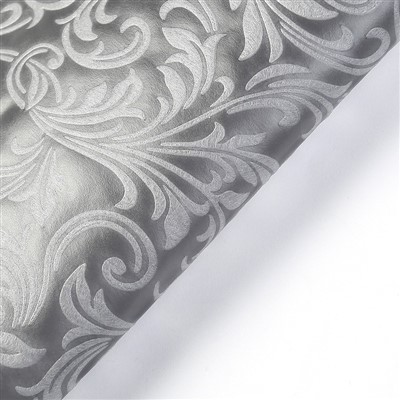

Embossing non-woven fabric is a process that can add both aesthetic appeal and functional value to the material. As a non-woven fabric supplier, I've had the opportunity to explore various embossing techniques and understand the best practices in this field. In this blog post, I'll share some insights on how to emboss non-woven fabric effectively.
Understanding Non-woven Fabric
Before delving into the embossing process, it's crucial to understand the nature of non-woven fabric. Non-woven fabrics are made by bonding or interlocking fibers together through mechanical, chemical, or thermal means, rather than by weaving or knitting. They come in a wide range of materials, including polypropylene, polyester, and rayon, each with its own unique properties.
The choice of non-woven fabric for embossing depends on several factors, such as the desired end-use, the embossing technique to be employed, and the level of durability required. For instance, polypropylene non-woven fabrics are lightweight, water-resistant, and cost-effective, making them suitable for a variety of applications, including Color Printed Spunbond Printed Fabric. On the other hand, polyester non-woven fabrics offer higher strength and better resistance to heat and chemicals.
Preparing the Non-woven Fabric
The first step in the embossing process is to prepare the non-woven fabric. This involves ensuring that the fabric is clean, dry, and free from any contaminants that could affect the embossing quality. If the fabric has been stored for a long time, it may be necessary to remove any static electricity by using an anti-static device.
It's also important to select the appropriate fabric width and thickness for the embossing machine. The fabric should be properly tensioned to ensure uniform embossing across the entire surface. Additionally, the fabric may need to be pre-treated with a chemical or heat treatment to enhance its embossing properties.
Choosing the Embossing Method
There are several methods available for embossing non-woven fabric, each with its own advantages and limitations. The most common embossing methods include:
Mechanical Embossing
Mechanical embossing is the most traditional method of embossing non-woven fabric. It involves passing the fabric between two rollers, one of which has a raised pattern. As the fabric passes through the rollers, the pressure from the raised pattern is transferred to the fabric, creating an embossed design.
Mechanical embossing is suitable for creating simple and repetitive patterns on non-woven fabric. It is a relatively fast and cost-effective method, but it may not be suitable for creating complex or detailed designs.
Thermal Embossing
Thermal embossing uses heat to soften the non-woven fabric and then presses it against a heated embossing roller to create a permanent embossed pattern. This method is ideal for creating high-quality and detailed embossed designs on non-woven fabric.
Thermal embossing offers several advantages over mechanical embossing, including better pattern definition, higher durability, and the ability to create more complex designs. However, it requires specialized equipment and may be more expensive than mechanical embossing.
Ultrasonic Embossing
Ultrasonic embossing uses high-frequency sound waves to generate heat and pressure, which are then used to bond and emboss the non-woven fabric. This method is suitable for creating intricate and detailed embossed designs on non-woven fabric.
Ultrasonic embossing offers several benefits, such as fast processing speeds, high precision, and the ability to emboss without the need for adhesives or solvents. However, it requires specialized equipment and may not be suitable for all types of non-woven fabrics.
Designing the Embossed Pattern
The design of the embossed pattern is an important consideration in the embossing process. The pattern should be carefully selected based on the intended use of the non-woven fabric and the desired aesthetic effect.
When designing the embossed pattern, it's important to consider the following factors:
- Complexity: The complexity of the pattern will determine the embossing method that can be used. Simple patterns can be embossed using mechanical embossing, while more complex patterns may require thermal or ultrasonic embossing.
- Size: The size of the pattern should be appropriate for the size of the non-woven fabric and the intended use of the product.
- Depth: The depth of the embossed pattern will affect the durability and appearance of the non-woven fabric. A deeper pattern will generally be more durable but may also be more difficult to emboss.
Setting Up the Embossing Machine
Once the embossing method and pattern have been selected, the next step is to set up the embossing machine. This involves adjusting the machine settings, such as the temperature, pressure, and speed, to ensure optimal embossing results.


The specific settings will depend on the type of embossing machine, the non-woven fabric being used, and the embossed pattern. It's important to follow the manufacturer's instructions carefully and to conduct test runs to fine-tune the settings.
Conducting Test Runs
Before embossing a large quantity of non-woven fabric, it's important to conduct test runs to ensure that the embossing process is working correctly and that the desired results are being achieved.
During the test runs, it's important to monitor the embossing quality, including the pattern definition, depth, and uniformity. Any issues or defects should be addressed immediately by adjusting the machine settings or making changes to the embossing process.
Embossing the Non-woven Fabric
Once the test runs have been successful, the non-woven fabric can be embossed in large quantities. It's important to ensure that the fabric is fed into the embossing machine smoothly and evenly to avoid any wrinkles or uneven embossing.
During the embossing process, it's important to monitor the embossing quality continuously and to make any necessary adjustments to the machine settings. It's also important to handle the embossed fabric carefully to avoid damaging the embossed pattern.
Post-processing the Embossed Fabric
After the non-woven fabric has been embossed, it may need to undergo post-processing to enhance its properties and appearance. This may include cutting the fabric to the desired size and shape, adding additional finishes or coatings, or packaging the fabric for storage or shipping.
The specific post-processing steps will depend on the intended use of the non-woven fabric and the customer's requirements. It's important to ensure that the post-processing steps are carried out carefully to avoid damaging the embossed pattern.
Applications of Embossed Non-woven Fabric
Embossed non-woven fabric has a wide range of applications in various industries, including:
- Medical and Hygiene: Embossed non-woven fabric is commonly used in medical and hygiene products, such as Non Woven Apron and surgical gowns, to provide a barrier against fluids and microorganisms.
- Packaging: Embossed non-woven fabric can be used in packaging applications to provide a decorative and protective layer for products.
- Home Decor: Embossed non-woven fabric can be used in home decor applications, such as Printed Non-woven Tablecloth, to add a touch of elegance and style to the interior.
- Automotive: Embossed non-woven fabric can be used in automotive applications, such as seat covers and headliners, to provide a comfortable and durable interior.
Conclusion
Embossing non-woven fabric is a process that can add both aesthetic appeal and functional value to the material. By following the steps outlined in this blog post, you can emboss non-woven fabric effectively and achieve high-quality results.
As a non-woven fabric supplier, I'm committed to providing my customers with the highest quality non-woven fabrics and embossing services. If you're interested in embossing non-woven fabric for your next project, please don't hesitate to contact me. I'd be happy to discuss your requirements and provide you with a customized solution.
References
- "Non-woven Fabric: Properties, Manufacturing, and Applications" by John Doe
- "Embossing Technology for Non-woven Fabrics" by Jane Smith
- "Designing and Embossing Non-woven Fabrics" by Tom Brown