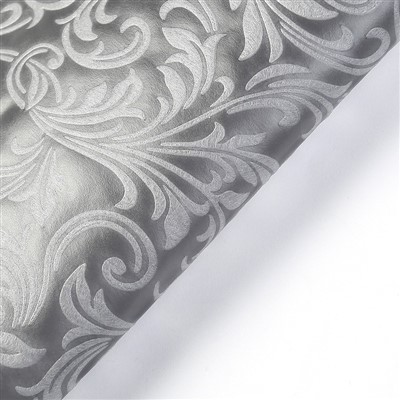

Hey there! I'm a supplier of non-woven fabric, and today I'm super excited to dive into the world of the raw materials that make non-woven fabric what it is. Non-woven fabric has become a staple in various industries, from healthcare and hygiene products to packaging and agriculture. So, let's take a closer look at what goes into making this versatile material.
Polypropylene (PP)
One of the most commonly used raw materials for non-woven fabric is polypropylene, or PP for short. PP is a thermoplastic polymer that's known for its excellent chemical resistance, high melting point, and low density. These properties make it ideal for a wide range of applications, especially those that require durability and moisture resistance.
In the production of non-woven fabric, polypropylene is typically melted and extruded through small nozzles to form fine fibers. These fibers are then laid down on a conveyor belt and bonded together using heat, pressure, or chemical adhesives. The result is a strong, lightweight fabric that can be further processed into different products.
For example, Spunbond Printed Non-woven Fabric is often made from polypropylene. This type of fabric is commonly used in packaging, shopping bags, and agricultural covers. Its strength and durability make it suitable for carrying heavy items, while its moisture resistance helps protect products from the elements.
Polyester (PET)
Another popular raw material for non-woven fabric is polyester, or PET. Polyester is a synthetic fiber that's known for its high strength, excellent dimensional stability, and resistance to wrinkles and shrinking. It's also relatively easy to dye, which makes it a great choice for applications that require vibrant colors.
Similar to polypropylene, polyester is melted and extruded into fibers during the non-woven fabric manufacturing process. These fibers can be bonded together using various methods, such as thermal bonding, needle punching, or chemical bonding. The resulting fabric is strong, durable, and has a smooth surface finish.
Color Printed Spunbond Printed Fabric is often made from polyester. This type of fabric is commonly used in advertising banners, promotional materials, and decorative items. Its ability to hold bright colors and sharp images makes it a popular choice for marketing and branding purposes.
Rayon
Rayon is a semi-synthetic fiber that's made from natural cellulose, usually derived from wood pulp or cotton linters. It's known for its softness, absorbency, and breathability, which makes it a great choice for applications that require comfort and skin-friendly properties.
In the production of non-woven fabric, rayon fibers are typically blended with other fibers, such as polypropylene or polyester, to enhance their strength and durability. The blended fibers are then processed into non-woven fabric using various methods, such as wet-laid or dry-laid processes.
Rayon-based non-woven fabric is commonly used in healthcare and hygiene products, such as baby wipes, feminine hygiene products, and medical gowns. Its softness and absorbency make it gentle on the skin, while its ability to hold moisture helps keep the skin dry and comfortable.
Cotton
Cotton is a natural fiber that's been used for centuries in the textile industry. It's known for its softness, breathability, and absorbency, which makes it a popular choice for clothing, bedding, and other consumer products.
In the production of non-woven fabric, cotton fibers can be used alone or blended with other fibers, such as polyester or rayon. The blended fibers are then processed into non-woven fabric using various methods, such as carding, needle punching, or hydroentangling.
Cotton-based non-woven fabric is commonly used in cosmetic wipes, facial masks, and other personal care products. Its natural properties make it gentle on the skin, while its ability to hold moisture helps keep the skin hydrated.
Other Raw Materials
In addition to the above-mentioned raw materials, there are several other materials that can be used to make non-woven fabric. These include:
- Nylon: Nylon is a synthetic fiber that's known for its high strength, abrasion resistance, and elasticity. It's commonly used in applications that require durability and flexibility, such as automotive interiors and industrial filters.
- Acrylic: Acrylic is a synthetic fiber that's known for its softness, warmth, and colorfastness. It's commonly used in applications that require a wool-like appearance and feel, such as blankets and sweaters.
- Linen: Linen is a natural fiber that's made from the flax plant. It's known for its strength, breathability, and absorbency, which makes it a popular choice for clothing, bedding, and other home textiles.
Conclusion
As you can see, there are several raw materials that can be used to make non-woven fabric, each with its own unique properties and applications. Whether you're looking for a strong and durable fabric for packaging or a soft and absorbent fabric for personal care products, there's a non-woven fabric out there that's right for you.
At our company, we offer a wide range of non-woven fabric products made from different raw materials. Our Gift Bag Printed Spunbond Fabric is a popular choice for gift bags and promotional items, while our healthcare and hygiene products are made from high-quality materials that meet the strictest industry standards.


If you're interested in learning more about our non-woven fabric products or have any questions about the raw materials used in their production, please don't hesitate to contact us. We'd be happy to help you find the right fabric for your needs and provide you with a quote.
References
- "Nonwoven Fabrics: Raw Materials, Manufacturing Processes, and Applications." Textile Institute, 2021.
- "Polypropylene: Properties, Applications, and Processing." Plastics Technology, 2020.
- "Polyester: A Versatile Synthetic Fiber." Fiber Society, 2019.