
I. Core FAQs: From Material to Application Scenarios
(1) Material-Related: How Do Different Non-Woven Materials Affect Insulation?
Q: Which is more suitable for food delivery insulation: laminated non-woven bags or non-woven aluminum foil insulated bags?
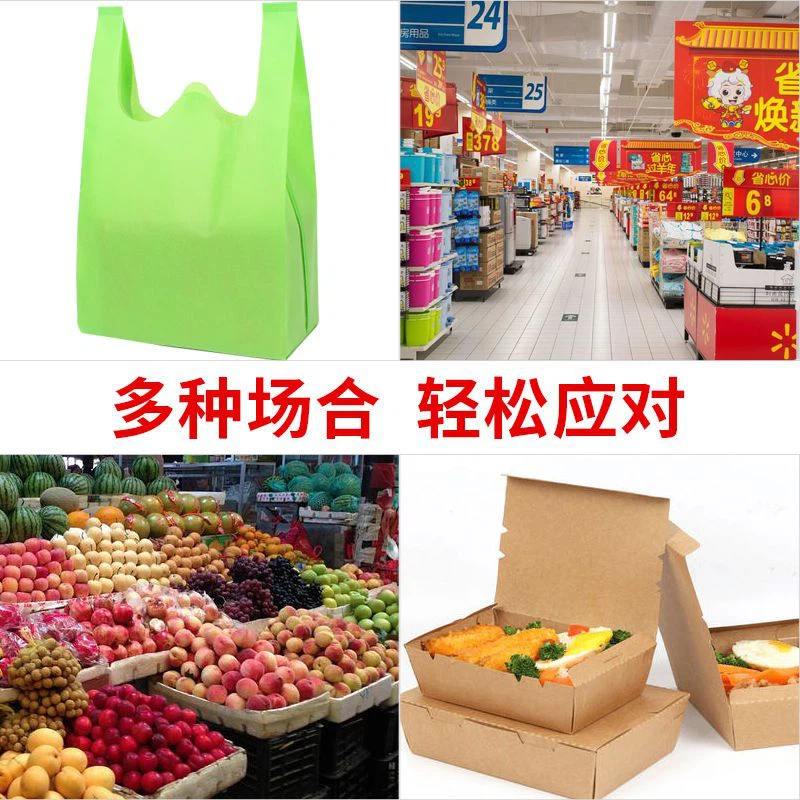
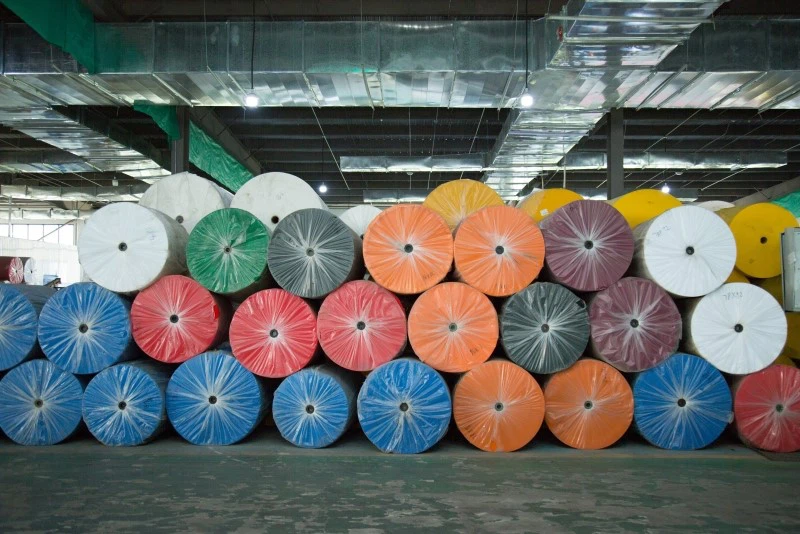
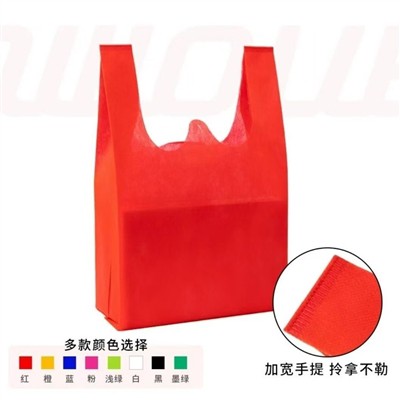
A: The two materials adapt to different food types, with core differences in insulation, protection, and environmental friendliness. Laminated non-woven bags offer the best cost-performance-lightweight, water and oil resistant, ideal for short-distance delivery of room-temperature meals (e.g., rice, stir-fries). Choose 80-100g weight to balance cost and load-bearing capacity.
Non-woven aluminum foil insulated bags feature an aluminum foil lining, providing enhanced water/oil resistance and over 40% better insulation. They are the top choice for heat-sensitive items like hot soups, fresh produce, and milk tea. The 90-120g version supports 8-10kg load and can be reused twice as many times as regular plastic bags. Suitable for chain brands focusing on promotion, they boost brand exposure during delivery.
(2) Application Scenarios: Selection & Common Misconceptions
Q: How to prevent hot drinks from cooling too quickly and cold drinks from melting too fast during delivery?
A: For hot drinks, prioritize laminated non-woven bags with aluminum foil lining- the foil reflects heat to reduce radiant heat loss. Tests show 80℃ hot drinks can stay warm for over 1.5 hours at 25℃. For cold drinks, use with ice packs: lay ice packs flat on both sides of the bag and place food in the middle. The non-woven material's thermal insulation delays ice melting, maintaining low temperatures for about 4.5 hours outdoors at 36℃.
Misconception Alert: Do not place high-temperature containers directly against the bag wall. Leave a gap of over 3cm to avoid local material deformation and compromised insulation.
Q: Will the insulation performance of reusable non-woven insulated bags degrade? How to maintain them?
A: Slight degradation occurs, depending on usage frequency and maintenance. After multiple uses, air pores in the inner insulation layer compact, reducing thermal resistance. Typically, insulation duration shortens after 5-8 reuses.
Maintenance Tips: Clean residual oil promptly after use (wipe with a damp cloth, avoid washing with water to protect the insulation layer). Air-dry and store flat to prevent folding and compression. Stop using if the aluminum foil lining is damaged or the non-woven fabric tears.


(3) Environmental Protection & Safety: High-Conern FAQs
Q: Are non-woven insulated bags considered "eco-friendly packaging"? How to dispose of them after use?
A: It depends on the material: Traditional PP and laminated non-woven fabrics fall into the non-degradable plastic category. Do not discard randomly-dispose of them in the plastic recycling system. Consumers should sort and recycle waste bags; catering businesses can cooperate with upstream manufacturers for recycling to reduce environmental impact.
Q: Will non-woven insulated bags in contact with hot food release harmful substances?
A: No, if they meet food-grade standards. Regular manufacturers' food delivery non-woven bags must pass OEKO-TEX certification, ensuring heavy metal content below 0.01mg/kg and no substance leaching at temperatures below 120℃. Avoid unbranded low-quality products-they may release plasticizers and other harmful substances when in contact with food over 60℃.

II. Consumer-Friendly Simple Testing Methods
Simple Hot Food Test: Pour boiling water (100℃) into a sealed food container, place it in the insulated bag, and zip tightly. Leave at room temperature for 30 minutes. The insulation is qualified if the container exterior remains noticeably warm and no cold air backflows inside the bag.
Waterproof Test: Place dry tissue paper inside the bag, spray 50ml of clean water on the outer surface, and let stand for 10 minutes. The waterproof performance is up to standard if the tissue stays dry.
Load-Bearing Test: Place a 5kg weight in the bag and hang it for 10 minutes. The load-bearing performance meets daily delivery needs if the handles show no deformation and the bag body does not tear.
Note: Professional testing must be conducted by qualified laboratories; simple tests are only for daily screening. Prioritize products with GRS Recycled Certification and food contact safety certification when purchasing, balancing insulation and environmental friendliness.