The raw material of non-woven bags is polypropylene, while that of plastic bags is polyethylene. Although the two substances have similar names, their chemical structures are quite different. The chemical molecular structure of polyethylene is highly stable and extremely difficult to degrade, so plastic bags take 300 years to decompose completely; in contrast, the chemical structure of polypropylene is unstable, and its molecular chains can be easily broken, enabling effective degradation. It then enters the next environmental cycle in a non-toxic form, with a non-woven bag being fully degradable within 90 days.
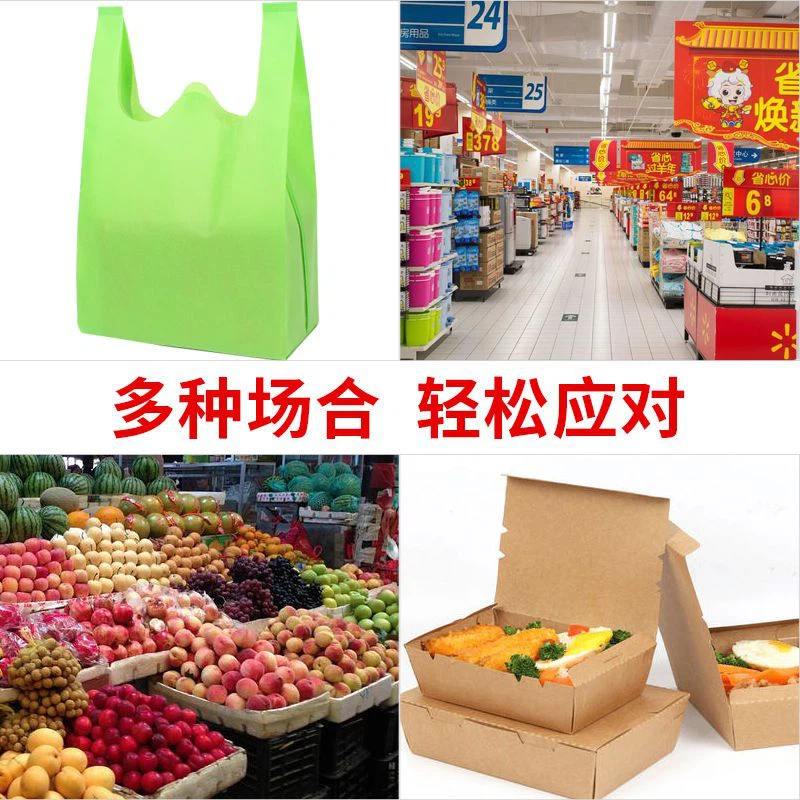
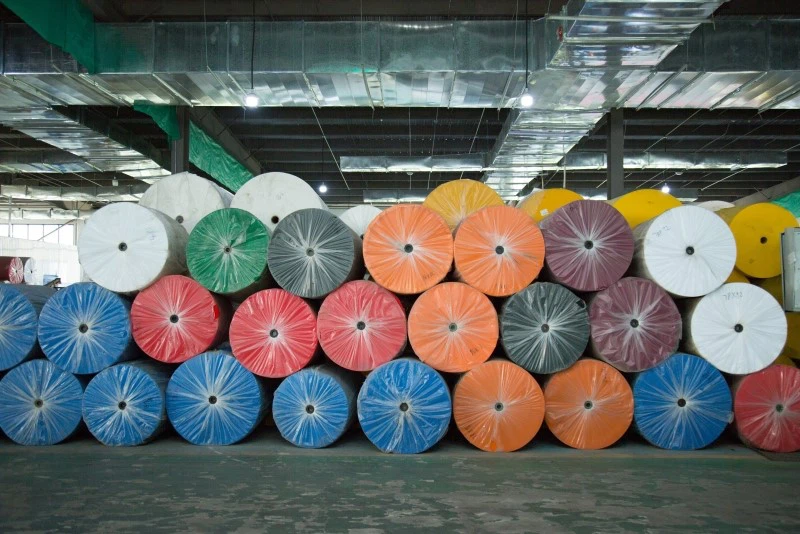
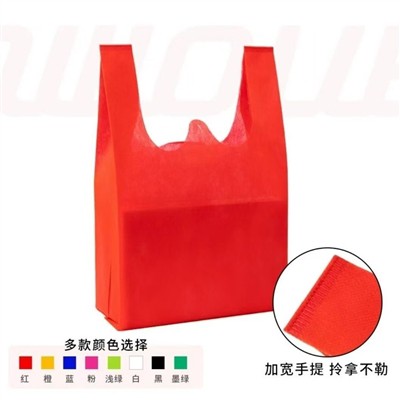
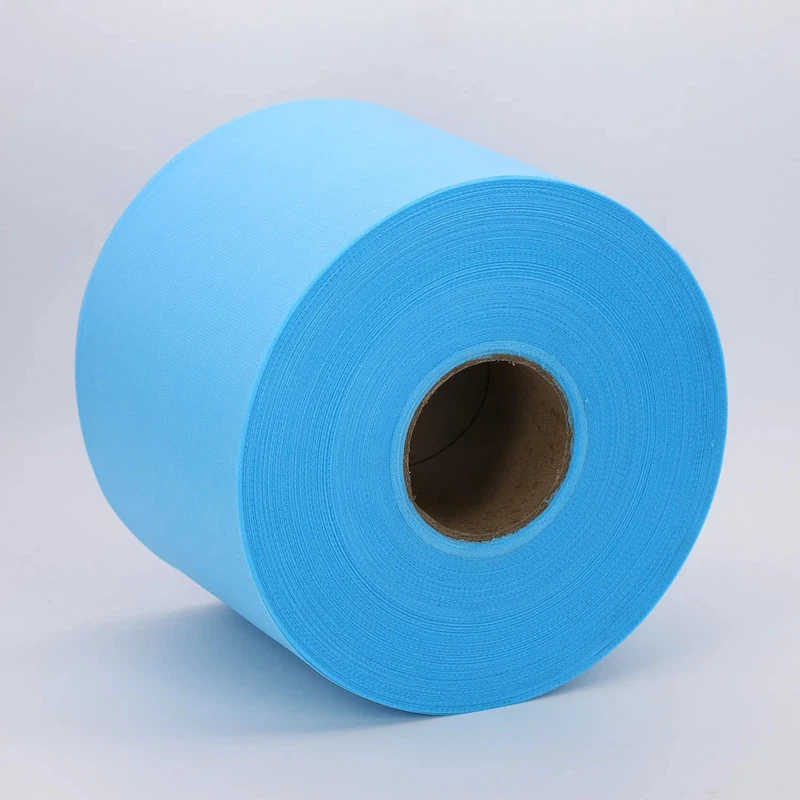
Non-woven fabric, also known as non-woven cloth, is made into a cloth-like product without the need for weaving. It is produced by aligning textile short fibers or filaments in a directional or random manner to form a fiber web, which is then consolidated by mechanical, thermal bonding or chemical methods. Most non-woven bags are made of spunbond non-woven fabric.
Simply put: non-woven fabric is not formed by interweaving or braiding individual yarns, but by directly bonding fibers together through physical methods. Therefore, when you take out the interlining in your clothes, you will find that you cannot pull out individual threads. Non-woven fabric breaks through traditional textile principles and has the characteristics of short production process, fast production speed, high output, low cost, wide application and diverse raw material sources.
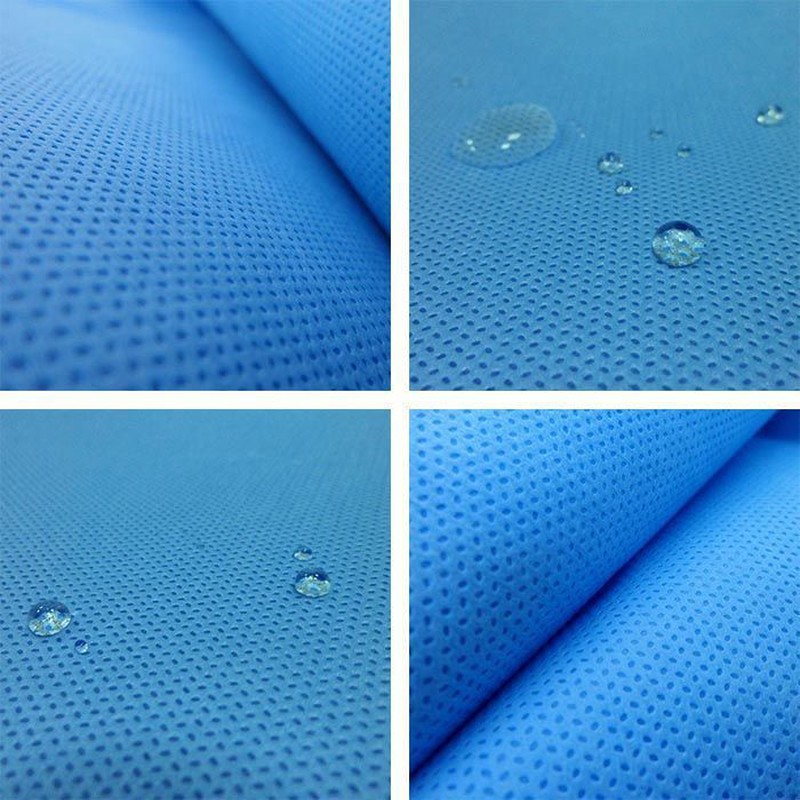
Laminated Non-woven Bags: Produced by casting, these products have strong adhesion without using adhesives during lamination. They feel soft, free of plastic texture and non-irritating to the skin. Suitable for making disposable medical items such as middle sheets, bed sheets, surgical gowns, isolation gowns, protective clothing and shoe covers; bags made of this fabric are called laminated non-woven bags.
Production Processes
Spunlace Non-woven: High-pressure micro-water jets are sprayed onto one or more layers of fiber webs to entangle the fibers, thereby reinforcing the web to a certain strength.
Thermal Bonded Non-woven: Thermal bonded non-woven fabric is made by adding fibrous or powdery hot-melt bonding materials into the fiber web, which is then heated, melted, cooled and consolidated into cloth.
Air-laid Non-woven: Also known as dust-free paper or dry papermaking non-woven fabric. It adopts air-laid technology to loosen wood pulp fiber boards into single fibers, then uses air flow to agglomerate the fibers on a web-forming curtain, and the web is further consolidated into cloth.
Wet-laid Non-woven: Wet-laid non-woven fabric is made by loosening fiber raw materials in an aqueous medium into single fibers, mixing different fiber raw materials to make a fiber suspension slurry. The suspension slurry is transported to the web-forming mechanism, and the fibers form a web in a wet state before being consolidated into cloth.

Spunbond Non-woven: After the polymer is extruded and stretched to form continuous filaments, the filaments are laid into a web, which is then turned into non-woven fabric through self-adhesion, thermal bonding, chemical bonding or mechanical reinforcement.
Meltblown Non-woven: The process flow includes polymer feeding, melt extrusion, fiber formation, fiber cooling, web formation and reinforcement into cloth.
Needled Non-woven: A type of dry non-woven fabric. It uses the puncturing effect of barbed needles to reinforce the fluffy fiber web into cloth.
Stitched Non-woven: A type of dry non-woven fabric. It uses warp knitting loop structures to reinforce fiber webs, yarn layers, non-textile materials (such as plastic sheets, thin metal foils, etc.) or their combinations into non-woven fabric.